wonach suchst du?

Technical Analysis | Semiconductor Cleanroom Wall Panels
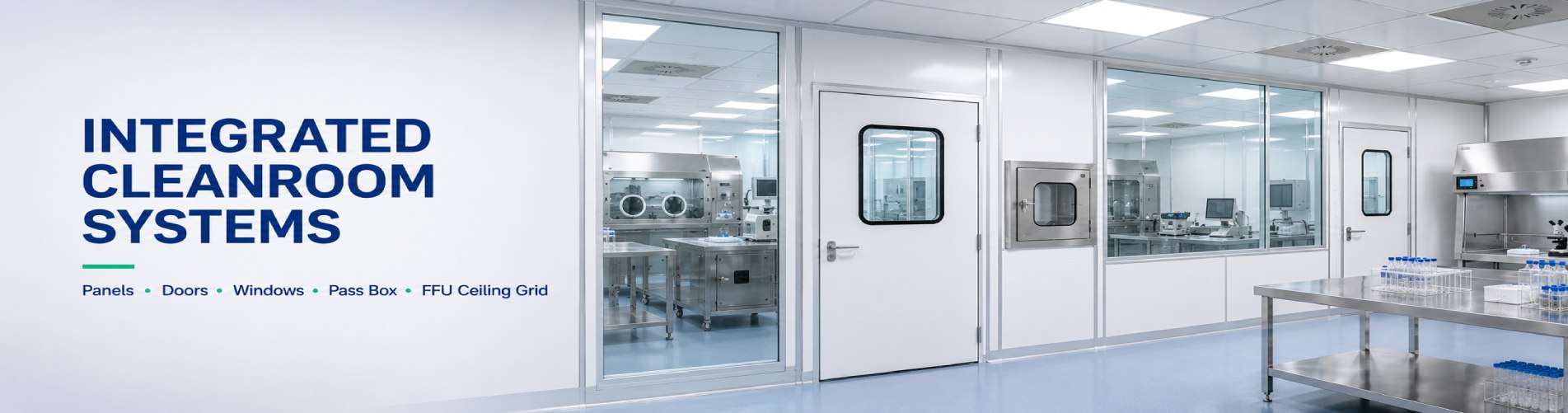
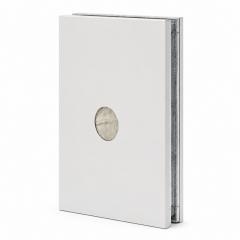
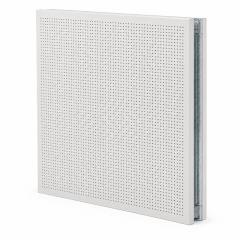
Cleanroom wall panels are pressure boundaries, service interfaces and cleaning surfaces at the same time. In semiconductor fabs, the detailing around sealants, utility penetrations, vision windows and door frames can decide whether a cleanroom wall system remains stable after installation.
cleanroom wall panels clean room wall panels cleanroom door interface semiconductor cleanroom
| JointsKeep panel seams flush, sealed and inspectable. | OpeningsDetail sleeves, gaskets and service cut-outs. | WindowsAvoid ledges around vision panels and frames. | LeakageProtect pressure cascade and particle control. |
A semiconductor cleanroom wall system should not be judged only by the panel core. The final performance depends on details: sealant lines, panel alignment, door interfaces, window frames, utility penetrations, return-air openings and how each joint survives cleaning and pressure cycling. Good detailing reduces rework and helps the cleanroom hold its classification after real production begins.
Joint Detailing
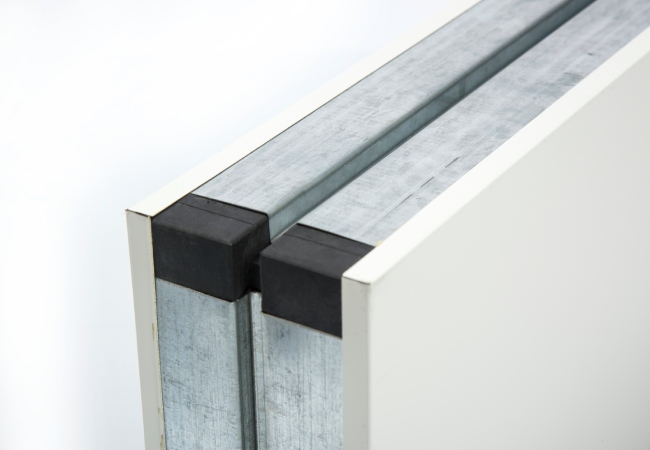
Panel joints are small details with large consequences. A poor joint creates a ledge for dust, a weak point for pressure leakage and a maintenance problem after repeated wiping. A good joint has controlled alignment, compatible sealant, enough backing support and an inspection method that can be repeated during installation and maintenance.
ISO 14644-4 addresses cleanroom design, construction and start-up. For wall panels, this means details must be connected to the cleanroom requirement, not selected as decorative finishes. The joint design should support cleanability, air leakage control, durability and future panel replacement.
In semiconductor fabs, even support spaces can contain sensitive metrology, packaging or precision assembly functions. Wall panel detailing should therefore be consistent across the cleanroom envelope, not improvised room by room.
Sealants and Materials
Sealant is often treated as a small site material, but it is part of the cleanroom wall system. It should tolerate panel movement, cleaning agents, temperature and humidity range, and the required maintenance interval. The detail should define surface preparation, bead geometry, curing conditions, inspection criteria and repair method.
| Detail | Common failure mode | Specification response |
|---|---|---|
| Vertical panel joint | Cracking, ledge formation or air leakage. | Define backing, sealant type, bead profile and inspection criteria. |
| Floor-to-wall transition | Dirt trap or cleaning residue at the base. | Use compatible cove or sealed base detail with maintenance access. |
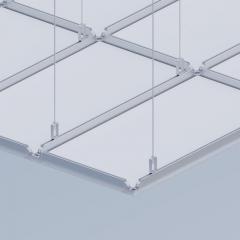
| Ceiling-to-wall junction | Pressure leakage above the controlled zone. | Coordinate ceiling grid, wall cap and sealant continuity. |
Penetrations
Every pipe, conduit, cable tray, pass-through, sensor cable or monitoring point changes the cleanroom wall panel. The opening should be located away from uncontrolled panel edges where possible, reinforced if the panel span requires it, sealed with a compatible method and left accessible for inspection.
A penetration schedule is a useful control document. It should list location, size, service type, sealing method, responsible trade, inspection record and as-built photo. Without that list, wall panels can become a patchwork of undocumented openings after commissioning.
Windows and Door Frames
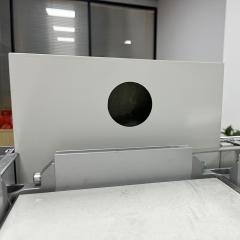
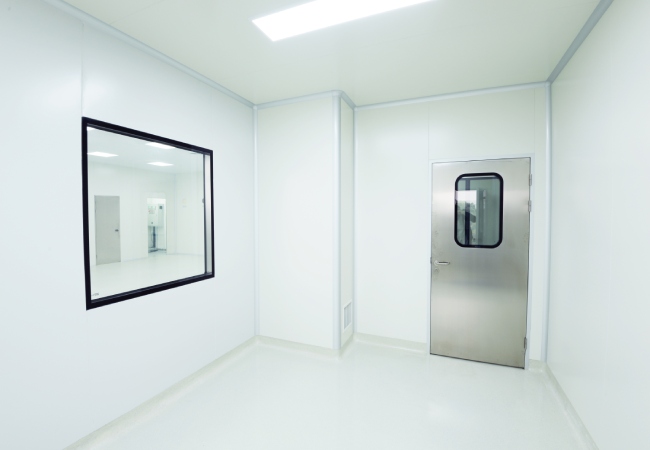
Observation windows support safety, supervision and workflow, but the frame can create ledges and leakage paths if it is not integrated with the cleanroom wall panel. Door frames carry even more risk because they experience repeated movement, pressure pulses and cleaning. The design should avoid protruding edges, protect gasket lines and keep the surface easy to inspect.
For semiconductor spaces, door and window details should also be checked against carts, equipment move-in, tool service access and pressure cascade. A clean surface detail that blocks a process route is still a design conflict.
Wonclean cleanroom wall systems can integrate panels, doors, windows and ceiling interfaces as a package, which helps keep the pressure boundary consistent from drawing to installation.
Particle Leakage Control
ISO 14644-1 defines airborne cleanliness classification, while ISO 14644-3 covers test methods used to verify cleanroom performance. Wall panels are not classified by themselves, but poor wall detailing can undermine the airflow and pressure behavior that help the room meet its class.
A practical inspection plan should check panel alignment, sealant continuity, window frame finish, door frame sealing, penetration records, surface defects, cleaning residue, pressure response and as-built documentation. If the detail cannot be inspected, it should not be left to assumption.
Technical Fact Check
| Fact used | Source | Design implication |
|---|---|---|
| Airborne cleanroom classification is measured by particle concentration. | ISO 14644-1 | Wall details should reduce particle traps and leakage paths that affect room performance. |
| Cleanroom design and construction should be requirements-led. | ISO 14644-4 | Panel joints, windows and penetrations should be specified before installation. |
| Cleanroom testing includes supporting tests relevant to pressure and airflow. | ISO 14644-3 | Wall leakage and penetration details should be ready for commissioning checks. |
| Monitoring expectations depend on the cleanroom control strategy. | ISO 14644-2 | Panel interfaces should not block sensors, pressure points or monitoring access. |
Referenced Standards
FAQ
Wonclean cleanroom wall systems can coordinate panels, windows, doors, ceiling interfaces and service penetrations so semiconductor projects have cleaner installation details and stronger commissioning evidence.
Useful Wonclean references: cleanroom wall system, cleanroom sandwich panel, cleanroom door, modular cleanroom, contact Wonclean.

 Room JT30151, Building 4, Area B, No. 925 Yecheng Road, Industrial Zone, Shanghai,China
 Info@wonclean.com
Allen@wonclean.com
Joy@wonclean.com
Info@wonclean.com
Allen@wonclean.com
Joy@wonclean.com
 +86 13671979988(Allen)+86 15950938878(Joy)


 Online -Service

