wonach suchst du?

Technical Blog | Sterile Compounding Cleanrooms
Modular pharmacy clean rooms must connect sterile compounding workflow with pressure control, HEPA supply, cleanable panels, pass-through transfer and the separation logic required for hazardous and non-hazardous preparations.
modular cleanroom cleanroom wall panels cleanroom doors pass box
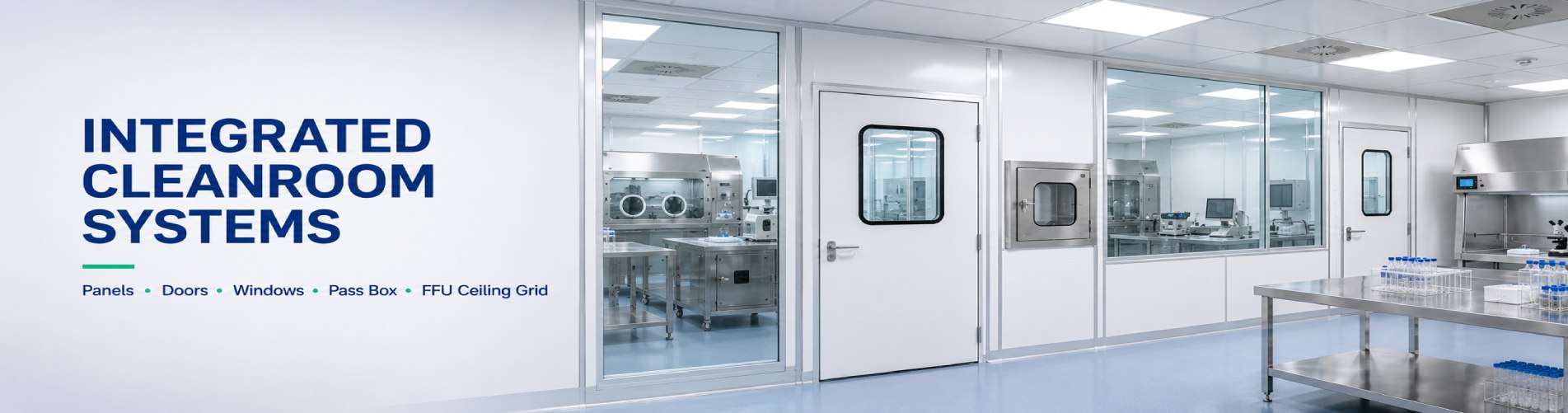
A pharmacy cleanroom is not simply a small laboratory with HEPA filters. It is a controlled compounding environment where room zoning, personnel flow, material transfer, pressure relationships and surface cleanability all affect contamination control. A modular approach can shorten construction time, but it does not reduce the need for regulatory planning.
USP Zoning Logic
USP General Chapter <797> addresses sterile compounding standards intended to reduce risks such as contamination and infection. For facility planning, the key takeaway is that workflow and environmental control must be defined before the wall system is ordered.
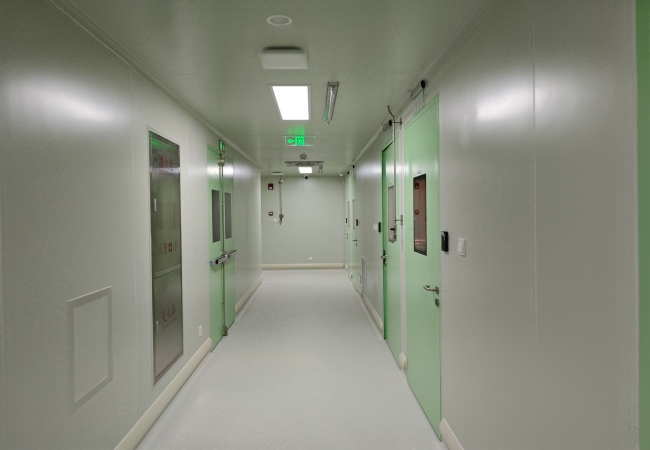
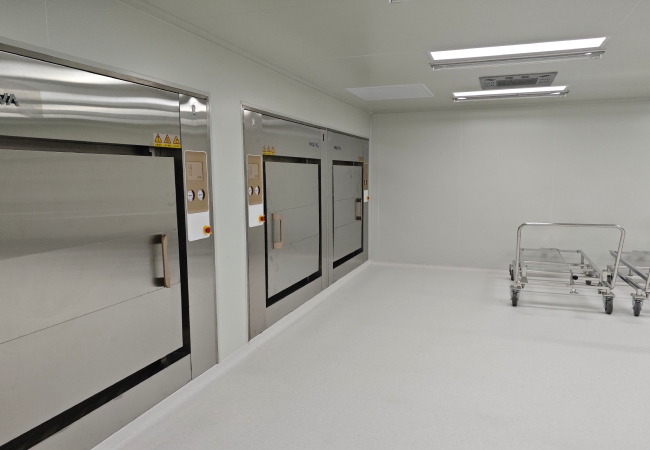
The project should map receiving, gowning, hand hygiene, staging, compounding, waste, cleaning and sample transfer. A modular pharmacy clean room can then be broken into cleanable room modules with doors, pass-throughs, HEPA diffusers and pressure monitoring already coordinated.
For hazardous drug handling, the design must not assume that a positive-pressure sterile suite is enough. Containment and worker protection must be reviewed separately from sterile product protection.
Pressure Cascade
USP General Chapter <800> addresses hazardous drugs and aims to minimize exposure risk to healthcare personnel, patients and the environment. In practice, this means that hazardous compounding rooms need careful pressure relationships, exhaust strategy, access control and cleaning procedures.
| Zone | Primary concern | Cleanroom design response |
|---|---|---|
| Ante or support area | Personnel transition and material staging. | Cleanable panels, controlled doors and visible pressure monitoring. |
| Sterile buffer room | Product protection and HEPA-supplied clean air. | Coordinated ceiling diffusers, sealed joints and low-shedding surfaces. |
| Hazardous drug room | Containment and exposure reduction. | Negative-pressure layout, exhaust planning and dedicated transfer route. |
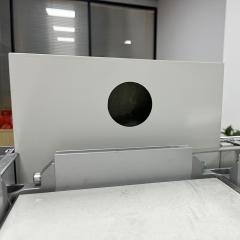
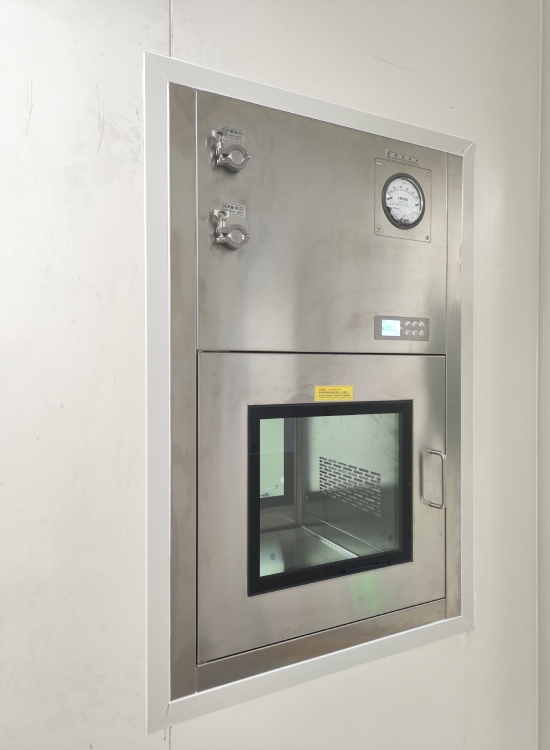
| Pass-through interface | Material transfer without uncontrolled door opening. | Interlocked pass box, cleanable frames and documented cleaning access. |
Panel Selection
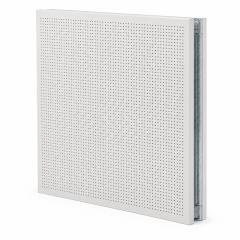
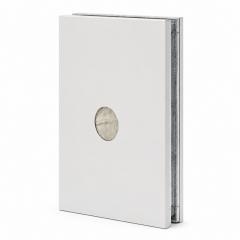
Pharmacy cleanrooms need wall panels that tolerate routine cleaning, resist moisture at vulnerable joints and avoid exposed ledges. Panel selection should consider surface finish, chemical compatibility, corner detailing, flush windows, door frames, ceiling junctions and how damaged panels can be replaced without opening uncontrolled gaps.
Wonclean modular wall panels can support faster installation, but the specification should still define sealants, coving, pass-through frames, service penetrations and inspection records. The most important issue is continuity: walls, doors, windows and ceiling interfaces must behave as one cleanable envelope.
ISO 14644-4:2022 is useful for cleanroom design and start-up planning because it connects user requirements with construction and verification. This helps pharmacy teams avoid treating modular clean rooms as a simple product purchase.
Qualification View
A modular pharmacy clean room should be easy to test after installation. Pressure monitors should be visible. HEPA filters should be accessible. Pass boxes should be cleanable. Door behavior should match the pressure design. The room should support the pharmacy's standard operating procedures instead of forcing workarounds.
ISO 14644-1 is the reference for airborne particle cleanliness classification, while ISO 14644-3 covers test methods that can support cleanroom verification. For compounding applications, these technical tests must be integrated with the applicable pharmacy standards and local regulatory expectations.
The final design package should include room zoning, pressure diagram, HEPA layout, panel specification, pass-through schedule, door schedule, cleaning compatibility notes and qualification responsibilities.
Technical Fact Check
Referenced Technical Standards
FAQ
They are prefabricated or modular cleanroom suites designed for pharmacy compounding, with coordinated wall panels, doors, HEPA supply, pressure monitoring and transfer interfaces.
USP 797 focuses on sterile compounding risk reduction, while USP 800 addresses hazardous drug handling. Together they influence zoning, pressure relationships, transfer routes and cleaning procedures.
Negative pressure is generally associated with hazardous drug containment or other exposure-control needs. It should be confirmed against the pharmacy's scope, regulatory basis and risk assessment.
They reduce uncontrolled door opening during material transfer and can support cleaner workflows when coordinated with pressure, cleaning and interlock procedures.

 Room JT30151, Building 4, Area B, No. 925 Yecheng Road, Industrial Zone, Shanghai,China
 Info@wonclean.com
Allen@wonclean.com
Joy@wonclean.com
Info@wonclean.com
Allen@wonclean.com
Joy@wonclean.com
 +86 13671979988(Allen)+86 15950938878(Joy)


 Online -Service

