





How Can a Modular Clean Room Use Cleanroom HVAC and Clean Room Airlock Design to Improve Pressure Stability?
A pressure-stable modular clean room is not created by wall panels alone; it depends on coordinated airflow, return air, access control, and envelope sealing. Wonclean supports this system approach by integrating cleanroom HVAC planning with a controlled clean room airlock route, especially in projects that also use portable clean room extensions, air shower entries, and clean room HEPA filters for fast ISO/GMP deployment.
Why Are Modular Clean Room Projects Paying More Attention to Airflow Control?
Modular clean room projects are paying more attention to airflow control because faster installation can only create value when pressure, temperature, humidity, and particle control remain stable after commissioning. In pharmaceutical, medical device, semiconductor, food, biotechnology, and precision instrument facilities, an unstable airflow route can create reverse flow, dust migration, slow pressure recovery, and repeated balancing work after installation.
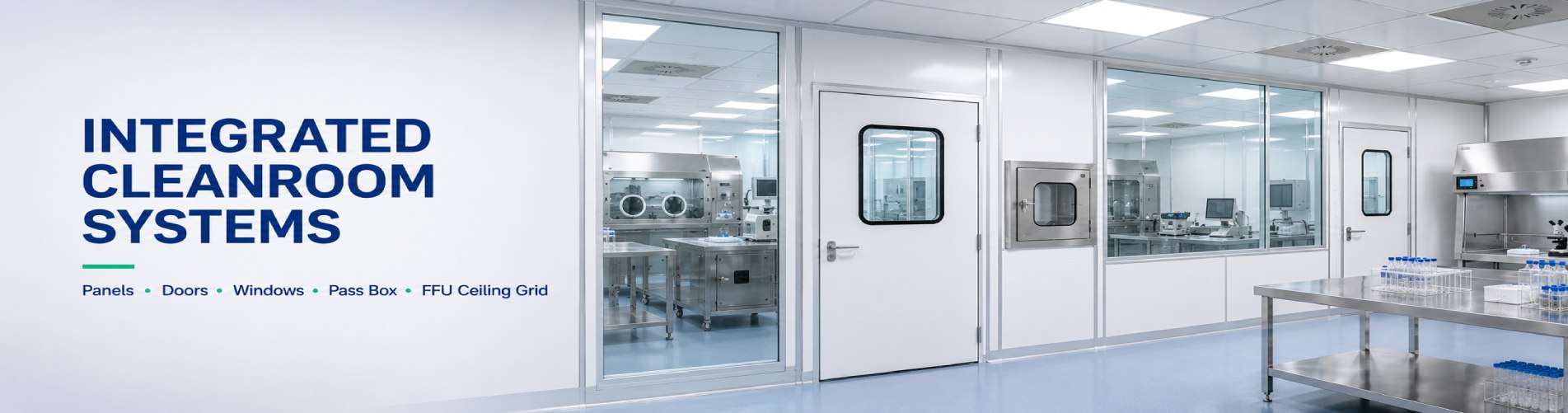
The technical foundation is that cleanrooms should be designed around measurable contamination-control conditions, not around enclosure speed alone. The official ISO 14644 cleanroom classification framework classifies cleanrooms by airborne particle concentration, while GMP Annex 1 projects also require practical control of personnel movement, material transfer, pressure cascade, cleaning access, and environmental monitoring. For buyers, this means cleanroom HVAC, wall panels, ceiling grids, airlocks, pass boxes, doors, and windows should be evaluated as one connected system.
How Does Cleanroom HVAC Improve Pressure Stability in Modular Projects?
Cleanroom HVAC improves pressure stability by controlling supply airflow, return airflow, filtration, temperature, humidity, and room-to-room pressure differences. In ISO Class 8 background areas and GMP Grade C/D support zones, project teams often review air changes per hour, return air location, filter loading, door opening frequency, and adjacent room pressure before final balancing. A typical pressure cascade target is often around 10–15 Pa between adjacent clean zones, depending on the process risk and airflow direction.
HVAC design should also consider the practical operating range of the room. Many cleanroom projects use 20–24°C temperature and 45–60% relative humidity as common design references, but final values should follow product, process, personnel comfort, and validation requirements. When Wonclean coordinates HVAC integration with modular panels, ceiling filters, cleanroom doors, cleanroom windows, air showers, pass boxes, and digital control points, the system can help reduce avoidable field adjustment during start-up.
What Role Does a Clean Room Airlock Play in Contamination Isolation?
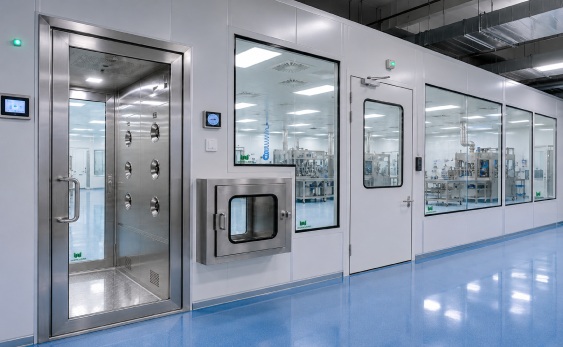
A clean room airlock helps isolate contamination by creating a controlled transition between areas with different cleanliness or pressure requirements. Without an airlock, frequent door opening can disturb the pressure cascade and allow particles to move from less-clean areas into cleaner zones. In GMP Grade B/C/D routes, the airlock is often connected with gowning procedures, door interlocks, air shower access, pass box transfer, and pressure monitoring.
The airlock should be designed according to traffic frequency, door opening sequence, recovery time, interlock logic, and emergency release requirements. For a modular cleanroom, the clean room airlock is not only a small room between two spaces; it is a pressure buffer that protects airflow direction. When the airlock, HVAC supply, return air, door sealing, and pass box location are planned together, the cleanroom can recover pressure more predictably after personnel or material movement.
Why Is the Cleanroom Ceiling Grid Important for Airflow Distribution?
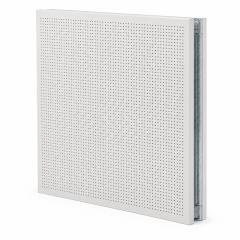
A cleanroom ceiling grid is important because it determines how FFU units, HEPA filter modules, lighting, blank panels, and maintenance access are arranged above the controlled zone. In modular cleanroom construction, the ceiling grid is an airflow and service platform, not a decorative suspension system. Poor ceiling coordination can create filter misalignment, bypass leakage, uneven airflow, and difficult maintenance access.
Common FFU grid coordination can use 1200×1200 mm or 1200×600 mm modules, depending on room layout, filter coverage, lighting plan, and service requirements. When the ceiling grid is coordinated with cleanroom HVAC and the clean room airlock, pressure recovery becomes easier to manage because supply airflow and access events are considered together. This is especially useful in ISO Class 7 / ISO Class 8 modular areas where the ceiling system must support airflow stability and future maintenance.
How Does a Clean Room Sandwich Panel Affect Sealing and Cleanability?
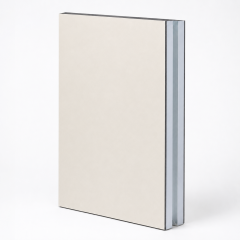
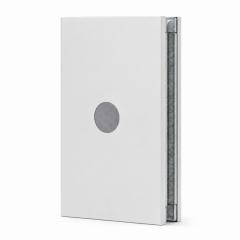
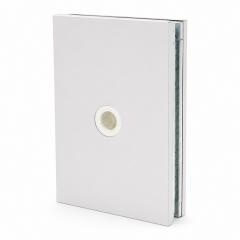
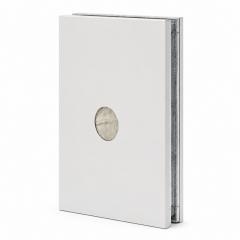
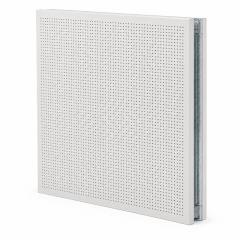
A clean room sandwich panel affects pressure stability because the wall envelope must remain sealed, cleanable, and stable during operation. If panel joints, door frames, observation windows, ceiling transitions, or pass box interfaces are not sealed correctly, cleanroom HVAC may need to compensate for leakage that should have been controlled by the enclosure. This can increase balancing difficulty and reduce pressure stability during daily use.
Panel core selection should match fire performance, flatness, insulation, weight, corrosion conditions, and cleanability. Rock wool and magnesium oxide cores are often considered where fire resistance matters, aluminum honeycomb can support flatness and lightweight rigidity, and polyurethane can support thermal insulation where temperature control is important. For ISO/GMP projects, the most important decision is not only panel thickness; it is how the panel system connects with doors, windows, ceiling grid, airlock, pass box, and HVAC routes.
Which Projects Benefit from Container Laboratory and Relocatable Modular Design?
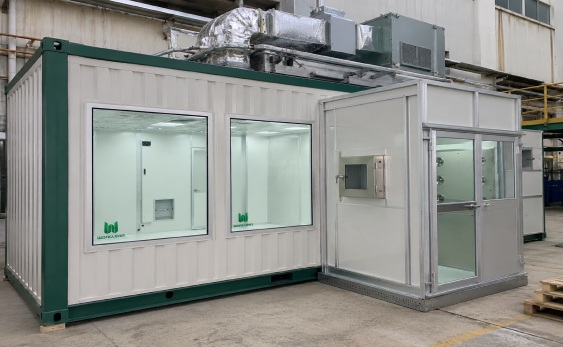
Container laboratory and relocatable modular design benefit projects that need fast deployment, outdoor placement, phased expansion, or reduced dependence on local construction labor. A container-based modular laboratory can integrate structure, cleanroom wall panels, HVAC interfaces, electrical routing, air shower access, pass boxes, cleanroom doors, cleanroom windows, and filter locations before shipment. This helps project teams reduce site dust and shorten installation windows.
Relocatable cleanroom design should consider transport vibration, lifting points, equipment fixation, panel protection, HVAC reconnection, and on-site pressure balancing. A container laboratory does not remove the need for commissioning, but it can reduce uncontrolled site variables before commissioning begins. For cross-border pharmaceutical, medical device, biotechnology, and precision manufacturing projects, this modular approach can support future relocation, capacity expansion, and reuse of major cleanroom components.
What Technical Parameters Should Buyers Compare Before Procurement?
Buyers should compare a modular cleanroom system by engineering function, not by component name alone. The most useful procurement review connects each system component to measurable project outcomes such as pressure stability, airflow recovery, cleanability, installation speed, maintenance access, and future expansion.
| System Component | Technical Function | Typical Specification | Project Benefit |
|---|---|---|---|
| Cleanroom HVAC | Airflow and pressure control | 10–15 Pa pressure cascade | More stable room pressure |
| Clean room airlock | Personnel and material isolation | Interlocked doors and pressure buffer | Lower cross-contamination risk |
| Cleanroom ceiling grid | FFU and filter support | 1200×1200 / 1200×600 mm | Better airflow distribution |
| Clean room sandwich panel | Sealed cleanroom envelope | Rock wool / MgO / honeycomb / PU | Cleaner joints and less leakage |
| Container laboratory | Relocatable modular unit | Prefabricated structure and MEP routes | Faster deployment and reuse |
| Air shower and pass box | Entry and transfer control | Interlock with cleanroom access route | Cleaner personnel and material flow |
How Can Wonclean Support Stable Airflow After Fast Installation?
Wonclean can support stable airflow after fast installation by coordinating factory prefabrication with cleanroom HVAC planning, airlock layout, ceiling grid positions, wall panel joints, doors, windows, pass boxes, air showers, and digital monitoring points. This reduces the risk of treating each cleanroom component as a separate purchase and discovering interface conflicts during installation.
For ISO Class 8 / GMP Grade B/C/D projects, the practical goal is to make airflow direction, pressure recovery, cleanability, temperature control, humidity control, and maintenance access easier to manage after handover. A modular clean room can be installed quickly, but it only operates reliably when the cleanroom HVAC, clean room airlock, wall envelope, ceiling filtration, and material transfer points are designed as one pressure-control system.
The Wonclean modular clean room system helped our engineering team coordinate HVAC pressure zones, airlock access, ceiling filters, and panel sealing before installation, reducing field rework and improving pressure stability during start-up.
Project Engineering Manager, Controlled Environment Upgrade Project


 Online -Service

