



How to Budget for Class 100 Clean Room Cost Per Square Foot in 2026: A Definitive ROI Analysis
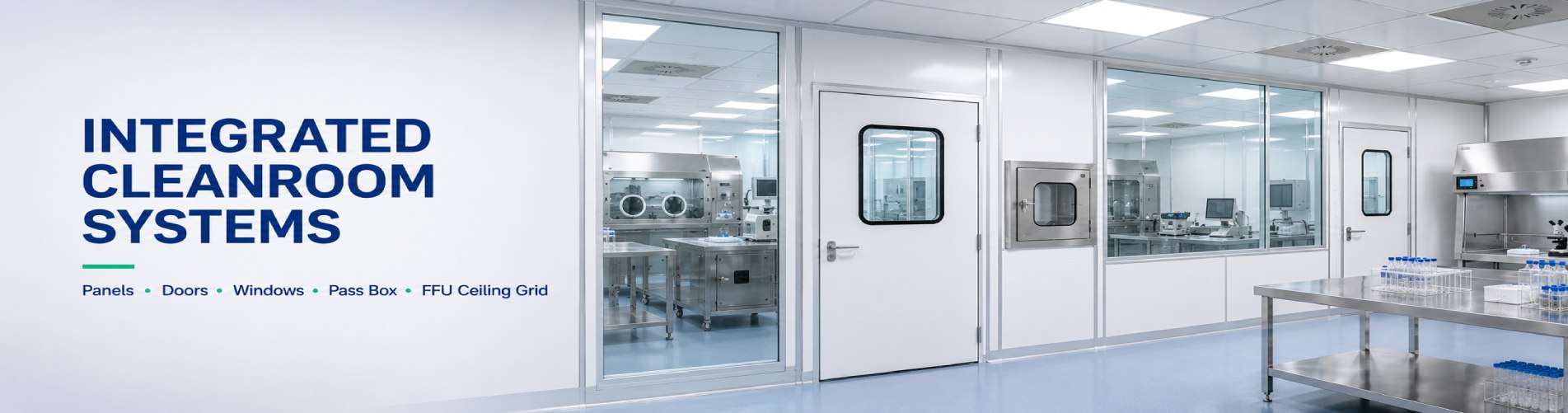
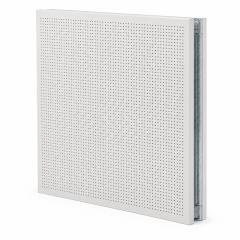
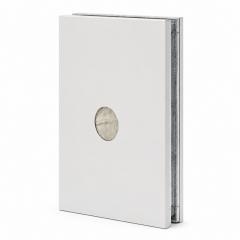
In 2026, semiconductor and biotech industries face rising precision requirements, making the calculation of ISO 5 infrastructure expenses critical for facility success. Selecting a high-tier cleanroom panel manufacturer is the first step in ensuring thermal stability and contamination control. Most modern projects favor the Cleanroom sandwich panel for its superior flush finish and fire resistance. While moving from an iso 8 clean room to a Class 100 (ISO 5) level requires a significant jump in filtration density, integrating the right cleanroom equipment from the start can mitigate long-term operational costs.
How to Calculate Total Class 100 Clean Room Cost Factors in 2026?
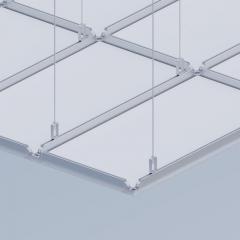
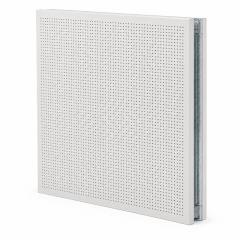
The global average for a Class 100 (ISO 5) cleanroom in 2026 ranges from $600 to $1,500 per square foot. Unlike lower-tier environments, ISO 5 demands a 35% to 70% ceiling coverage of Fan Filter Units (FFU). This exponential increase in airflow density directly influences the structural load requirements for your modular grid systems.
| Component Category | 2026 Budgetary Impact (%) | Average Cost (USD/sq.ft) |
|---|---|---|
| Filtration & HVAC (FFU/HEPA) | 45% | $270 - $675 |
| Wall & Ceiling Panels (HPL/PIR) | 25% | $150 - $375 |
| Automation & Monitoring (AI-Control) | 15% | $90 - $225 |
| Validation & Certification | 15% | $90 - $225 |
How to Optimize Your Modular Cleanroom Sandwich Panel Selection?
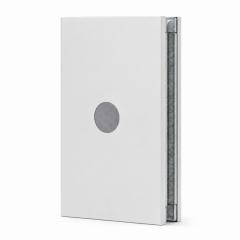
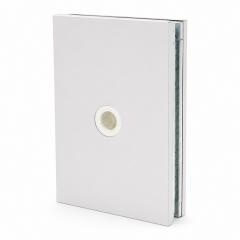
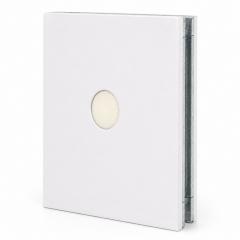
The choice of cleanroom wall material is a major cost driver. In 2026, the trend has shifted toward high-pressure laminate (HPL) and PIR core panels due to their chemical resistance against aggressive VHP (Vaporized Hydrogen Peroxide) decontamination cycles. Modular systems allow for 40% faster installation compared to traditional stick-built methods, drastically reducing labor-related square foot costs.
How to Integrate High-Efficiency Cleanroom Equipment for 2026 GMP Compliance?
Modern GMP 2026 standards mandate real-time particle monitoring and energy-efficient FFU management. By utilizing equipment with integrated brushless DC motors and Modbus communication, facilities can lower their OPEX (operating expenses) by 30%. This makes the initial higher investment in premium cleanroom equipment a strategic decision for long-term ROI.


 Online -Service

