
When it comes to cleanroom construction, many companies struggle with choosing between hardwall vs softwall cleanrooms. Even with the same cleanliness level, different structural systems can lead to big differences in cost, flexibility, and user experience. As a cleanroom specialist, Wonclean often gets the same question from clients: “Should I use hardwall or softwall?”
Don’t worry—this article will break everything down in a simple, friendly way so you can easily identify which option best fits your project needs.
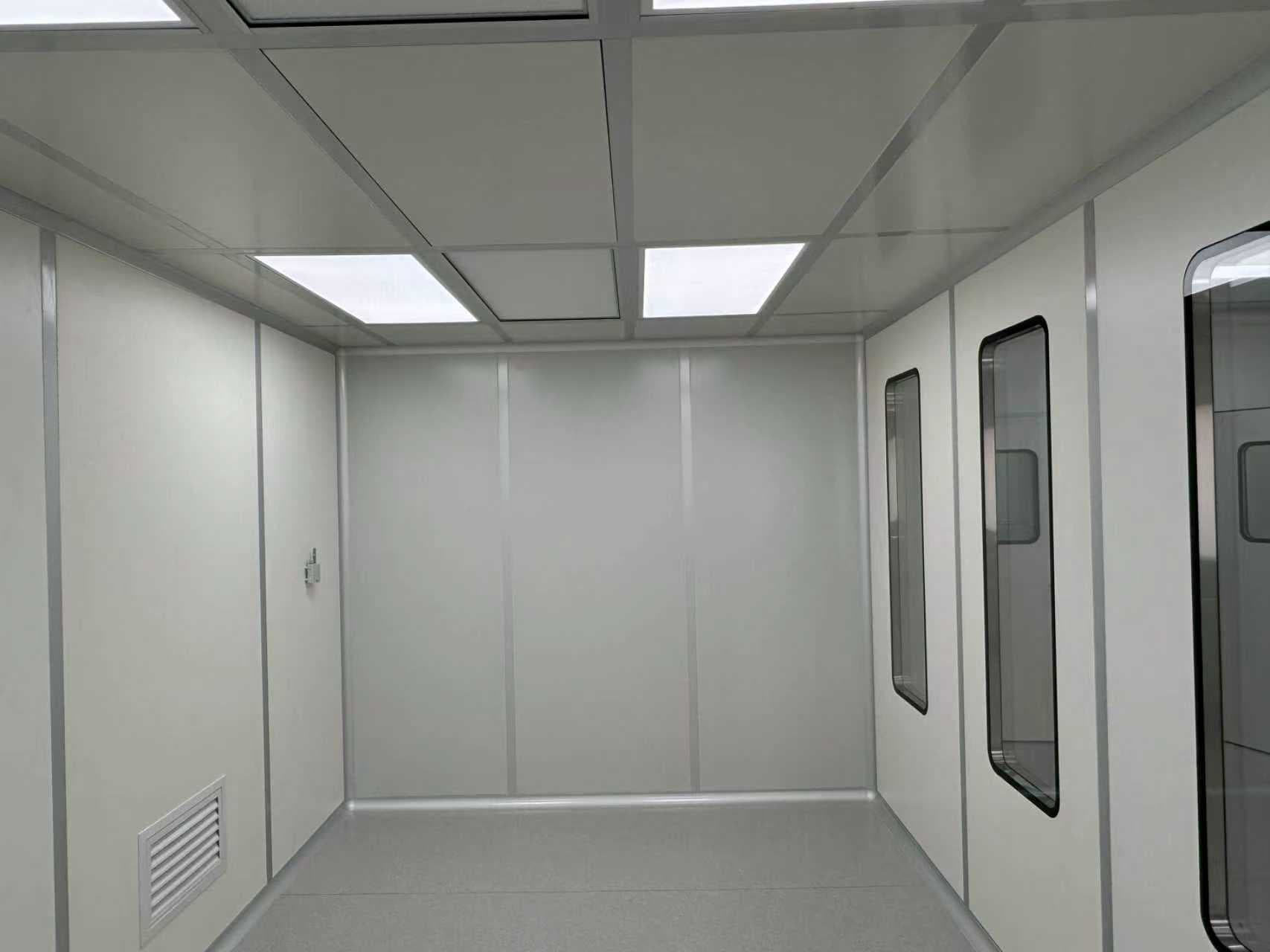
When discussing hardwall vs softwall cleanrooms, the biggest strength of hardwall systems is stability. The solid wall structure makes them the top choice for industries with strict standards, such as pharmaceuticals, biotechnology, and semiconductors. Hardwall systems also integrate seamlessly with clean room modular wall systems, creating a more precise, controlled, and long-term operational environment.
High durability, excellent airtightness, and easy cleaning are what give hardwall systems their competitive edge. Especially for applications requiring strict control over temperature, humidity, and pressure, hardwall cleanrooms function like “fully controllable enclosed labs,” offering a safe and reliable workspace.
In the comparison of hardwall vs softwall cleanrooms, the greatest strength of softwall systems is flexibility. Built with flexible curtain barriers, they are ideal for fast installation, temporary expansions, and layouts requiring frequent adjustments. For electronics manufacturing, testing labs, and R&D teams, softwall modular clean rooms offer outstanding adaptability and space efficiency.
Although softwall cleanrooms cannot match hardwall systems in durability and pressure control, they excel in cost, mobility, and setup speed. If your situation is “I need it now” or “solve the problem first, optimize later,” then softwall cleanrooms will likely meet your needs much faster.

Whether you're in pharmaceuticals, chemicals, electronics, or another industry, choosing between hardwall vs softwall cleanrooms depends on the level of environmental control you require.
As for clean room modular wall systems, hardwall setups allow high customization, while softwall systems serve more like “ready-to-use portable cleanrooms.”
Different industries have different expectations for hardwall vs softwall cleanrooms:
Pharmaceutical & Biotechnology:
Strict GMP requirements make hardwall the preferred choice.
Electronics Industry:
Frequent production line changes make softwall the more flexible option.
Aerospace:
High precision environmental control demands the stability of hardwall systems.
Testing Laboratories:
Short-term or project-based tasks often benefit from softwall cleanrooms.
There is no one-size-fits-all solution—your choice should align with your project phase, environmental needs, and budget.
When selecting hardwall vs softwall cleanrooms, many clients focus on initial cost and overlook long-term value.
Hardwall systems cost more upfront but offer longer service life and lower maintenance costs.
Softwall systems are cheaper initially but require more frequent replacement and upkeep.
We hope this article has made the differences between hardwall vs softwall cleanrooms easier to understand. There is no “best” option—only the option that best fits your project. Whether you need the stability of hardwall systems or the adaptability of softwall modular clean rooms, Wonclean can tailor the perfect cleanroom solution based on your industry, budget, and future development plans.
If you're planning an expansion, line change, or new project, feel free to contact Wonclean. We not only provide clean room modular wall systems, but also professional design and implementation services to help you build a cleanroom that is efficient, reliable, and future-ready.
 Online -Service
 +8613671979988
 info@wonclean.com
 +8613671979988


