wonach suchst du?

Firma gegründet

Unternehmensangestellter

Firmenjahresumsatz (m)

Land der Zusammenarbeit
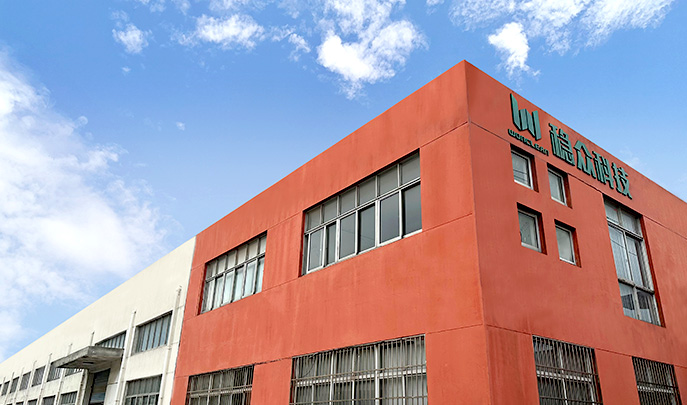
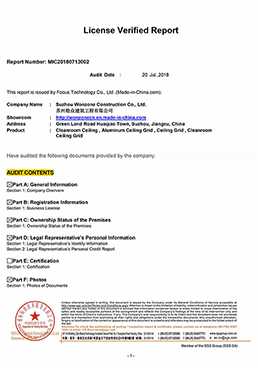
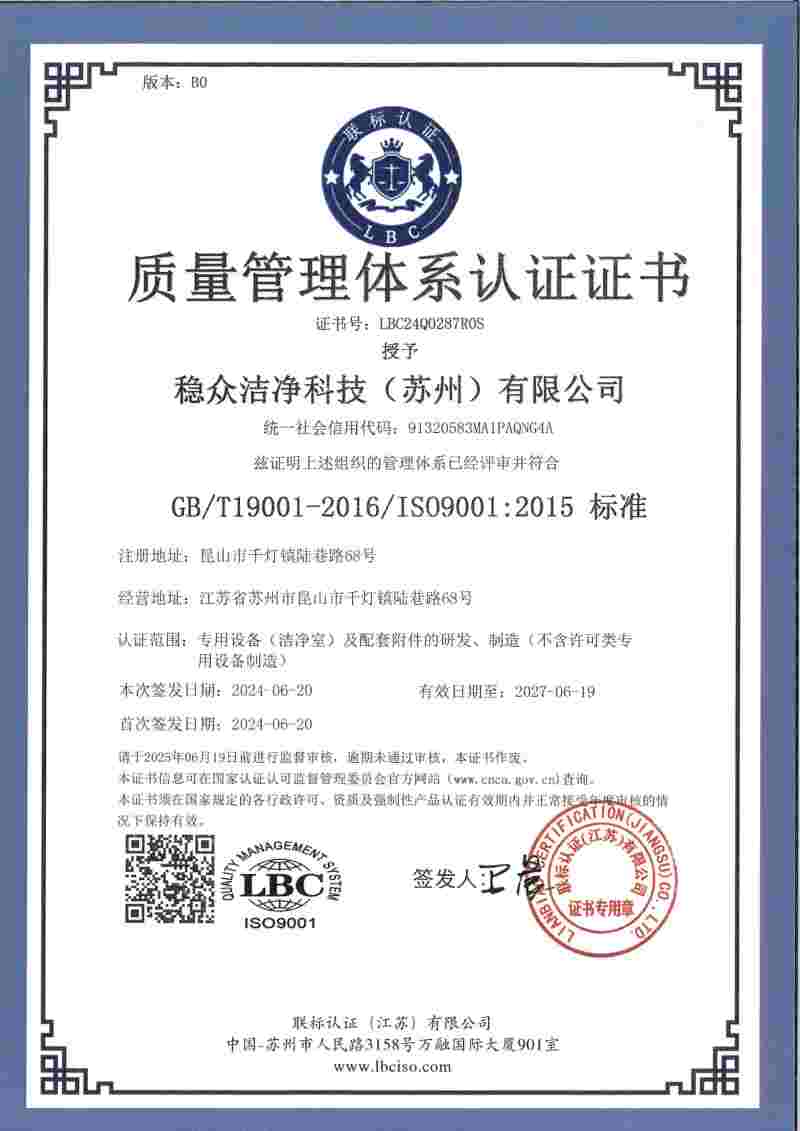
 WONCLEAN COMPANY LIMITED
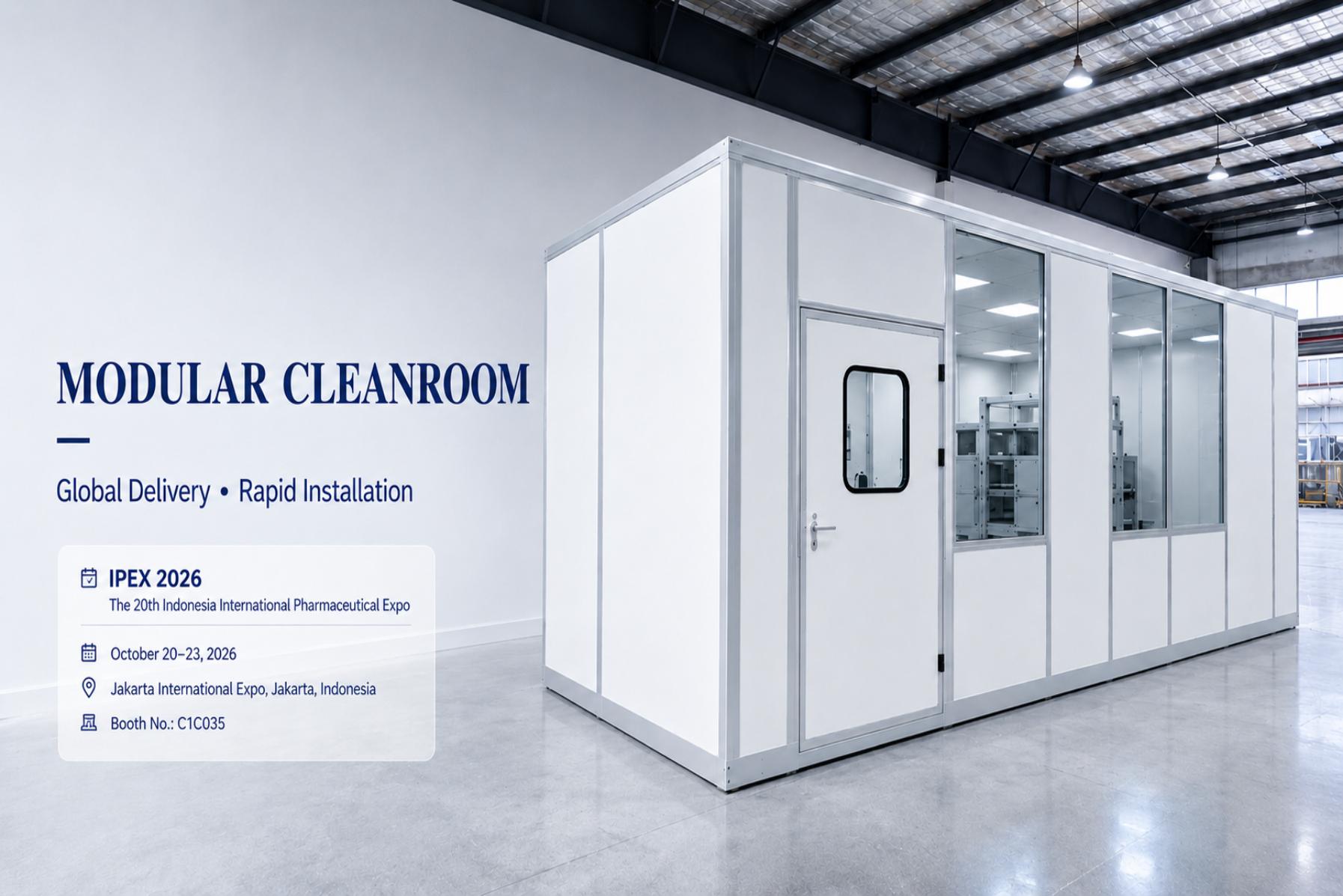
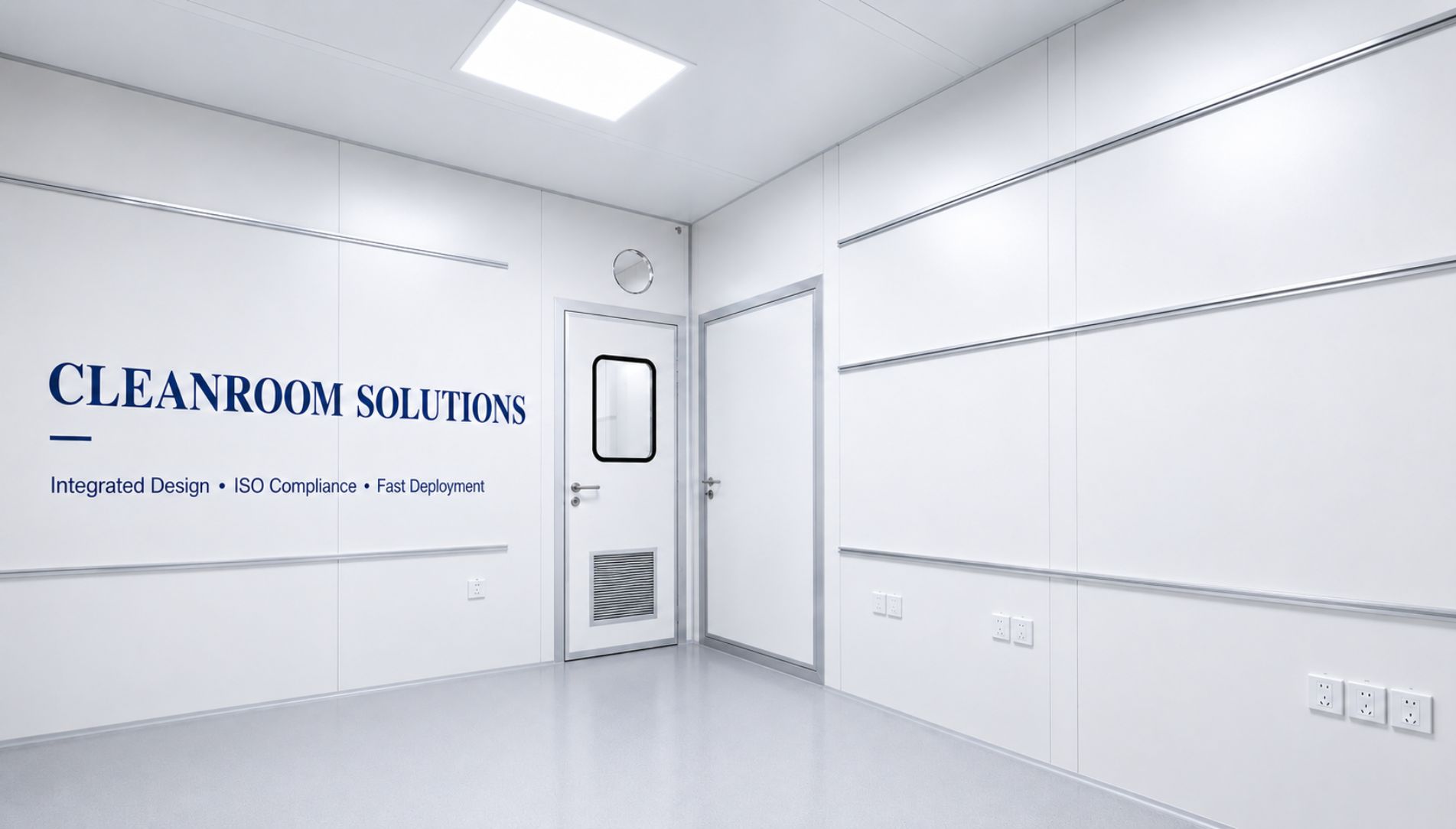
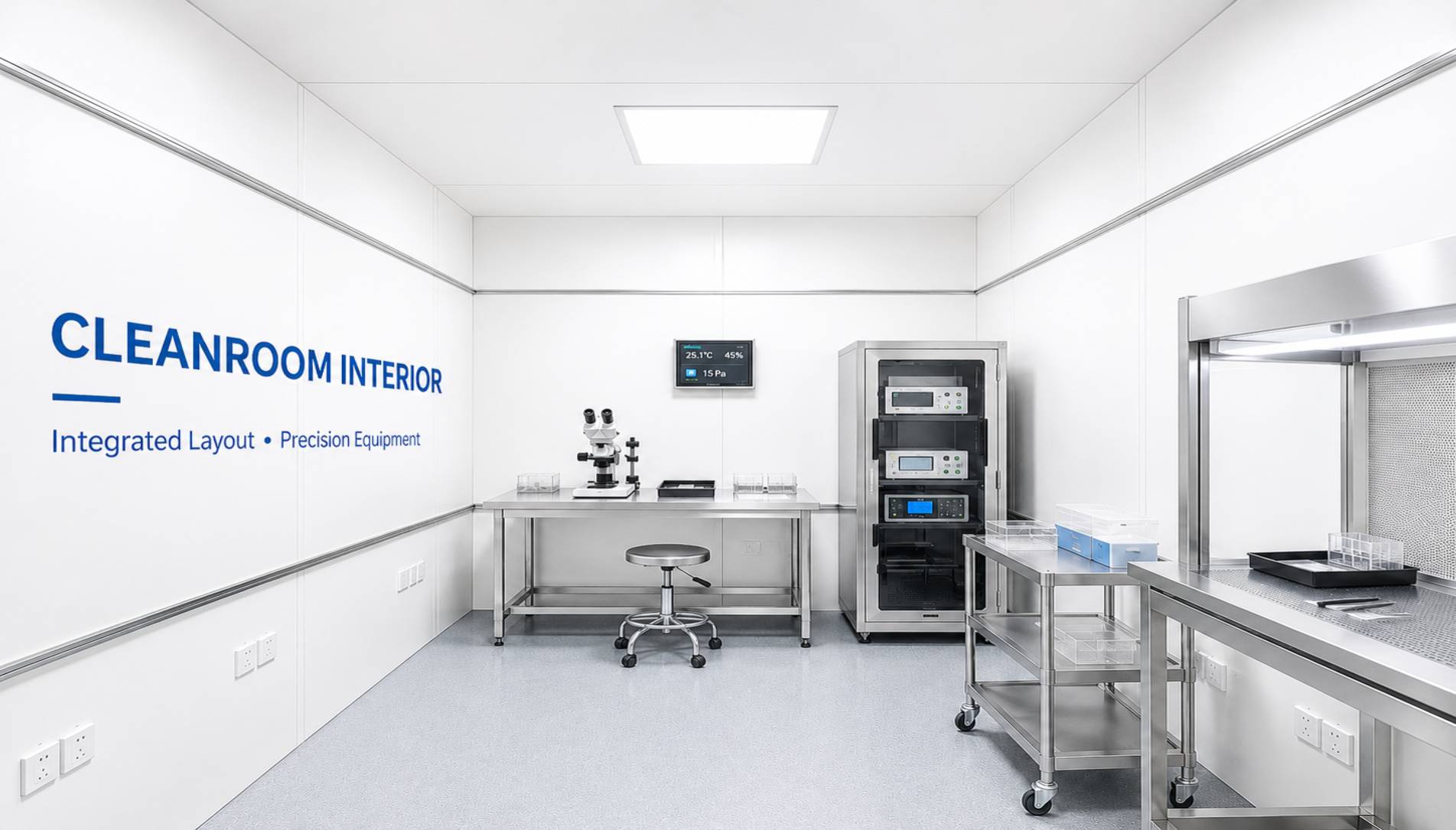
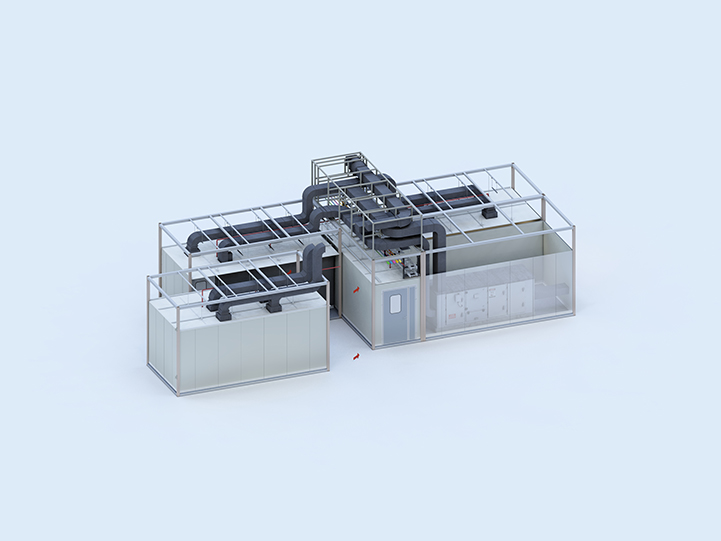
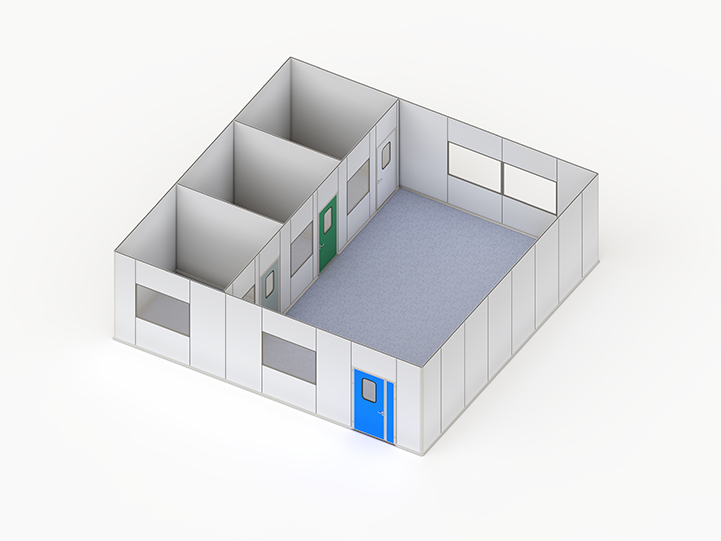
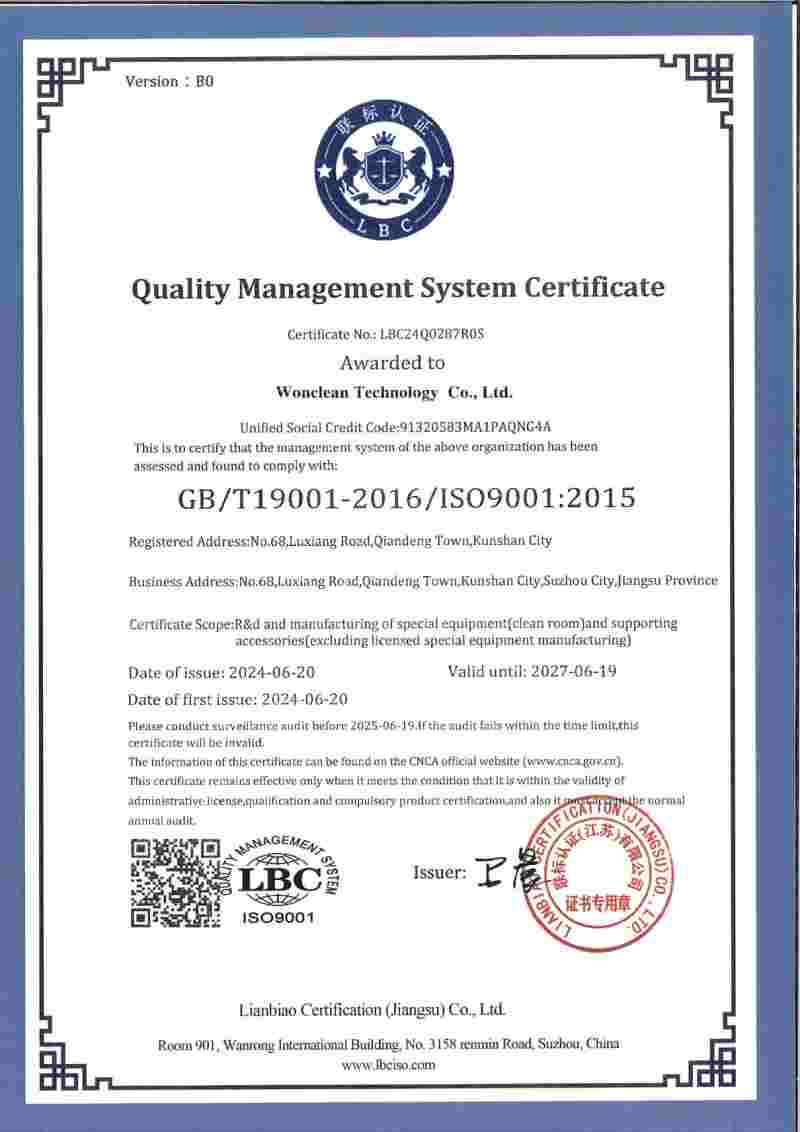
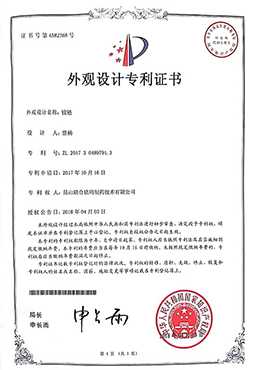
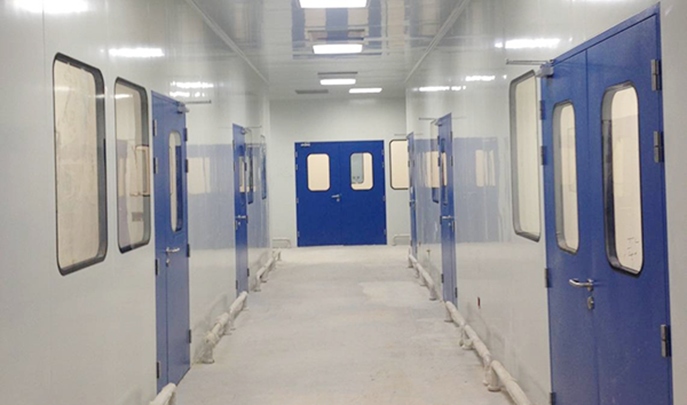
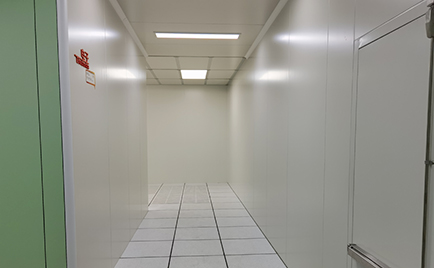
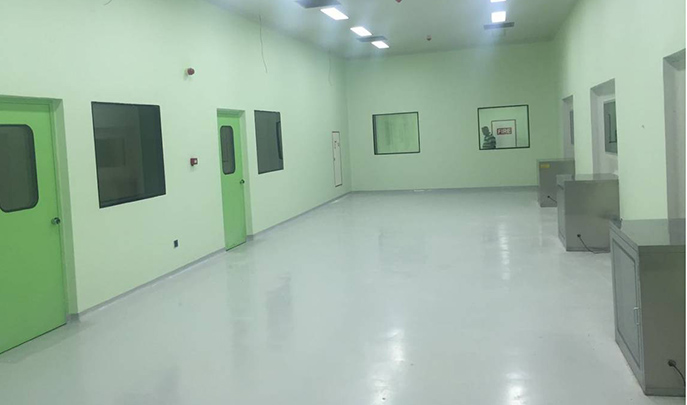
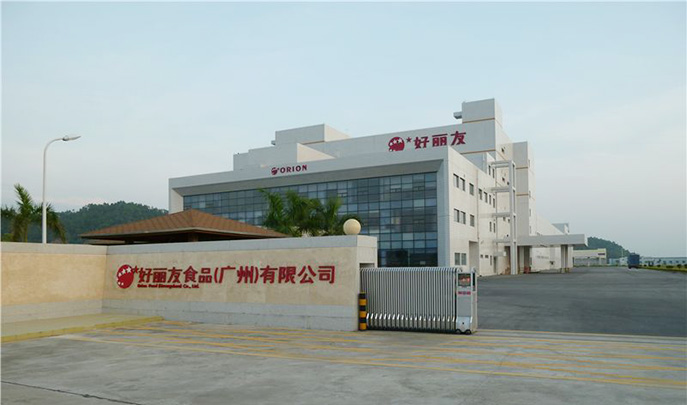
Unsere Fabrik befindet sich in Kunshan, Jiangsu, China. Der Konstruktionstechnik konzentriert sich auf das Design und Bau von sauberen Räumen. Bietet professionelles und wirtschaftlich angemessenes Bauprogramm und -service für Informationselektronik, Pharmazeutika, Lebensmittel, Kosmetik, Militärindustrie, chemische Industrie usw.
Mehr als 17 Jahre Reinraumerfahrung professionelles und technisches Team.
Durch "Wahrheit aus Fakten suchen, Dienstleistungskooperation" -D -Geschäftsphilosophie. Tun Sie, was getan werden soll, sicherzustellen, dass jedes Projekt für hervorragende Qualität baut.
Business Scope: Reinraum. elektromechanisch. Dekorationstechnik.
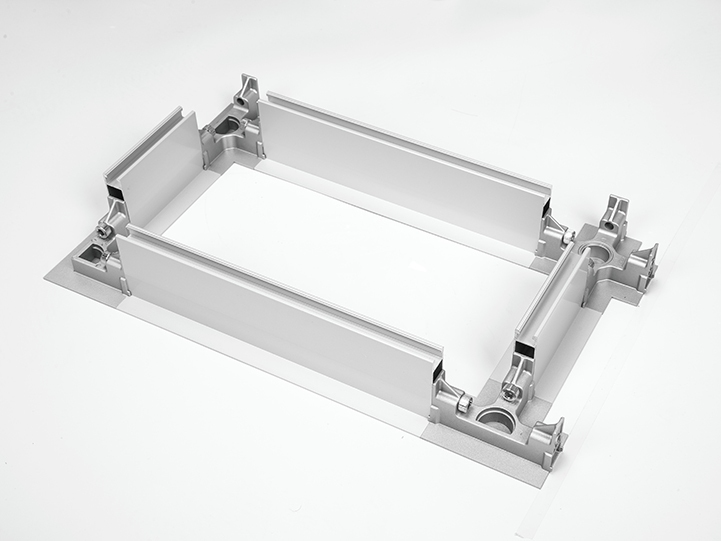
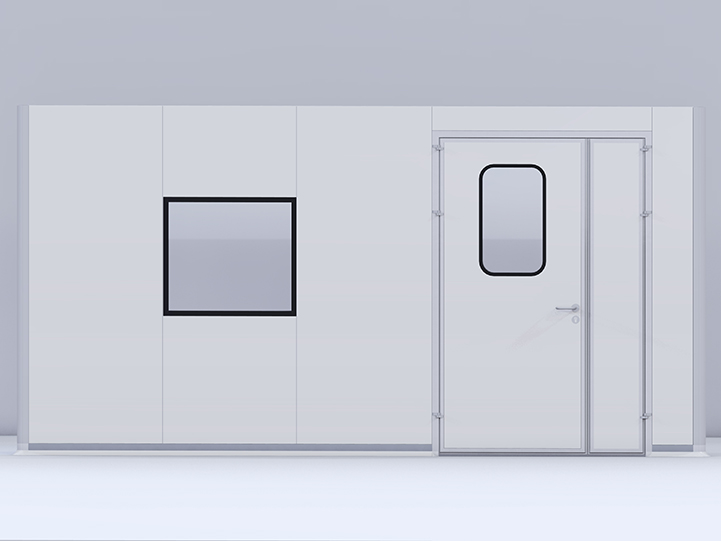
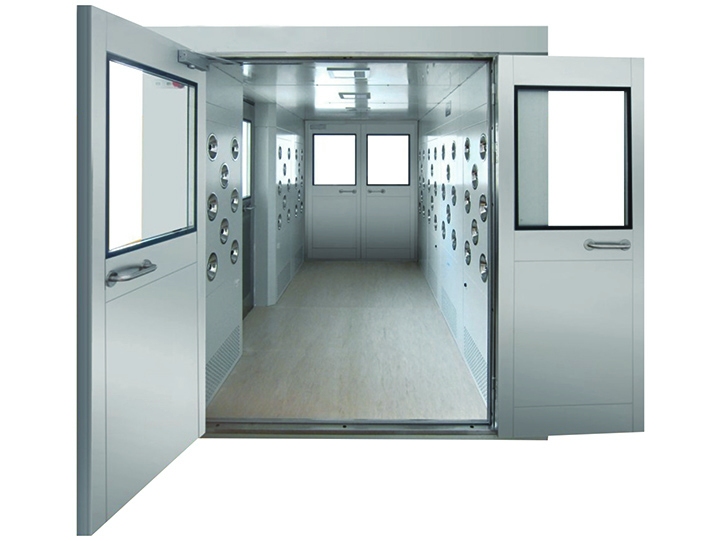
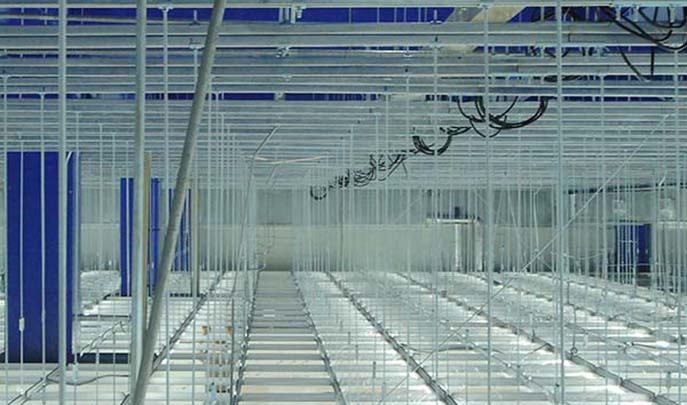
Reinraumprodukte: FFU -Deckennetz 、 Sandwich Panel 、 Clean Room Door & Window App Air Duschschasse Waage Abdeckung usw. Schalten Sie Qualitätstechnik und bieten Qualitätsprodukte für Kunden an.
.jpg)
.jpg)


2026
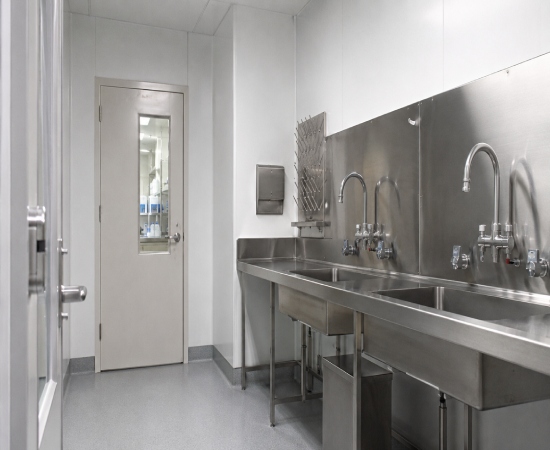
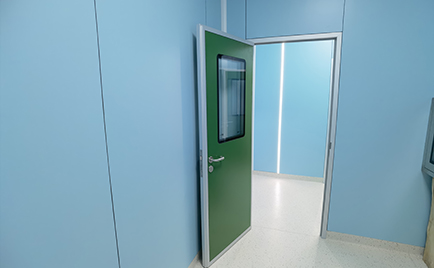
Technical Blog | Laboratory Wet Areas HPL Cleanroom Panels for Laboratory Wet Areas: Sink Walls, Reagent Rooms and Splash-Zone Detailing Laboratory wet areas expose cleanroom wall material to water, disinfectants, reagents and repeated wiping. HPL cleanroom panels can help when sink walls, reagent rooms and splash zones are detailed as part of a cleanable envelope. cleanroom wall material HPL cleanroom panel modular lab project support Wet-area cleanrooms fail quietly. A wall may look smooth on day one, but repeated splash, wiping, disinfectant exposure and reagent handling can reveal weak joints, swollen edges, stained corners or difficult-to-clean transitions. HPL cleanroom wall detailing should therefore be designed around use, not just appearance. Real product photo. HPL cleanroom panels should be evaluated by surface durability, edge closure, joint design and cleaning compatibility. Wet-Area Risk Sink Walls Are Not Ordinary Cleanroom Walls A sink wall sees local humidity, hand contact, cleaning tools and splash. If the panel edge, outlet opening, pipe penetration or countertop junction is not sealed correctly, water can enter areas that are hard to inspect. The result may be staining, swelling, hidden residue or microbial risk in spaces that operators assume are clean. A good HPL cleanroom wall detail should define the panel face, core, edge closure, sealant, corner transition, mounting method and service penetration strategy. For laboratory wet areas, it should also define how the surface will be cleaned and what chemicals are expected. ISO 14644-4 is useful because it links cleanroom requirements, design, construction and start-up. Wet-area wall details should be agreed before installation, not improvised around sinks and reagent cabinets. Real product photo. Sink walls need cleanable transitions around basins, taps, outlets and pipe penetrations. Detailing Matrix Detail Splash Zones, Reagent Rooms and Panel Joints Separately The phrase hpl cleanroom wall is too broad unless the design shows where water, disinfectant, reagents and carts will actually contact the surface. A dry corridor, a sink wall and a reagent storage room do not need the same risk controls. HPL cleanroom panel detailing for laboratory wet areas. Location Primary risk Recommended detail Sink wall Splash, pipe penetrations and trapped water. Sealed edge closure, cleanable cove and planned service penetrations. Reagent room Chemical contact, storage impact and cleaning residue. Chemical compatibility review and protected wall zones. Splash zone Repeated wiping and local moisture stress. Smooth face, compatible sealant and no exposed absorbent edge. Door and window frame Joint staining, edge swelling and cleaning shadow. Flush frame, sealed perimeter and documented inspection point. GMP Perspective Cleanable Surfaces Must Match the Contamination Control Strategy For sterile pharmaceutical facilities, EU GMP Annex 1 emphasizes contamination control strategy and cleanroom des...
2026
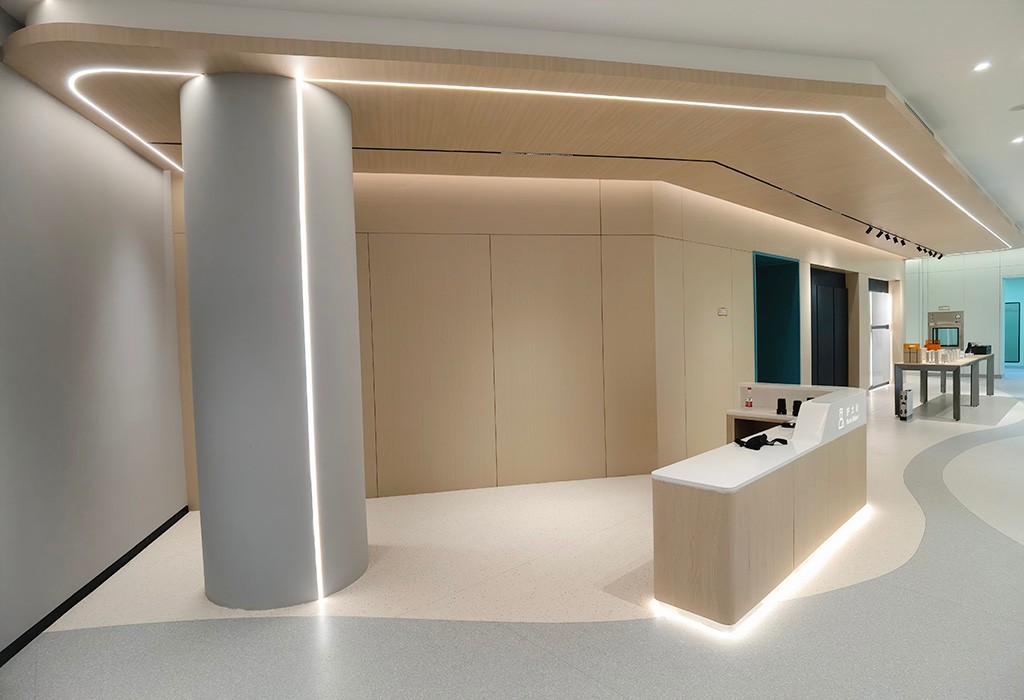
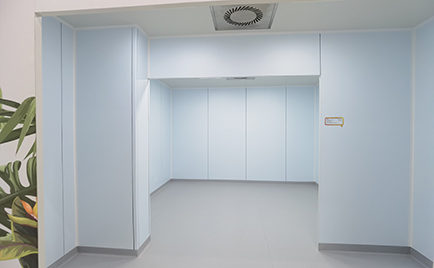
Technical Blog | Medical Device Cleanrooms Medical Lab Wall Panels for ISO 8 Device Assembly: Vision Windows, Doors and Cleanable Partitions ISO 8 medical device assembly areas need cleanroom wall panels that support repeatable cleaning, controlled personnel flow, visible supervision and stable pressure boundaries without turning doors, windows and partitions into weak points. cleanroom wall panels gmp clean room panels cleanroom doors modular cleanroom Medical lab wall panels are often specified after the process layout is already nearly fixed. That is risky. In ISO 8 device assembly, wall panels, vision windows, cleanroom doors and cleanable partitions influence how operators move, how supervisors observe the line, how materials transfer and how surfaces are cleaned after each batch or shift. Real project photo. Cleanroom corridors and room entries should keep access, cleaning and pressure relationships visible and manageable. ISO 8 Planning Start with Process Flow, Not Panel Thickness ISO 14644-1 classifies cleanrooms by airborne particle concentration. For ISO 8 device assembly, the wall panel system does not create the class by itself, but it helps protect the environment by reducing particle traps, uncontrolled leakage and cleaning blind spots. Before choosing medical lab wall panels, define the process route for components, operators, finished devices, rejects, cleaning tools and maintenance access. A wall line that looks tidy on a plan may be wrong if it forces operators to cross material routes or makes inspection windows too small for visual control. Wonclean cleanroom wall systems should therefore be coordinated with the room classification, personnel routes, door swing, observation needs, HVAC return path and pressure cascade before fabrication. Wall System Matrix Coordinate Panels, Windows and Doors as One Envelope The weakest points in a wall system are usually not the center of the panel. They are the edges: door frames, vision window frames, corner coving, ceiling junctions and service penetrations. For medical device assembly, these interfaces need flush surfaces, sealed joints and replacement logic in case a panel or frame is damaged. ISO 8 medical device assembly wall panel coordination checklist. Interface Cleanroom risk Recommended detail Panel joint Particle trap, cleaning shadow or pressure leak. Flush joint, compatible sealant and inspection record. Vision window Ledges, poor supervision or difficult cleaning. Flush glazing, sealed frame and clear observation height. Cleanroom door Pressure loss, gasket wear or traffic conflict. Smooth leaf, stable frame, gasket inspection and correct swing. Partition base Dirt accumulation at floor transition. Coved or cleanable base detail with documented seal. Real product photo. Flush vision windows support supervision and reduce protruding ledges when they are integrated with the wall panel system. Quality System View Facility Controls Should Support the Device Quality System For medi...
Mehr lesen2026
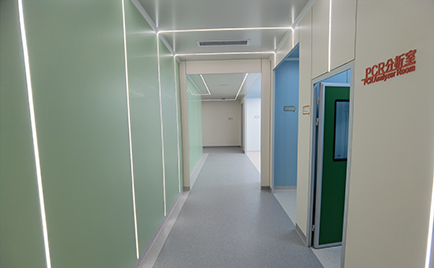
Project Case Study | Laboratory Animal Facility Chinese Academy of Sciences Shanghai Laboratory Animal Facility Project Case Study: Cleanroom Envelope and Environmental Control Interfaces A Wonclean project case for a Shanghai Chinese Academy of Sciences laboratory animal facility, focusing on cleanroom wall panels, cleanroom doors, controlled corridors, equipment interfaces and visible environmental monitoring. cleanroom wall system cleanroom panels cleanroom doors pass box Laboratory animal facilities are not ordinary cleanrooms. They must support animal welfare, research reliability, operator safety, controlled personnel flow, controlled material transfer and daily sanitation. In this Shanghai Chinese Academy of Sciences animal facility project, the cleanroom envelope was treated as an integrated engineering system rather than a collection of isolated panels and doors. Project photo. Controlled animal-facility corridor with cleanroom wall panels, cleanroom doors, viewing windows, return air grille and ceiling service interfaces. Project Snapshot A Multi-Discipline Animal Facility Package The reviewed project folder identifies a Shanghai Chinese Academy of Sciences project with laboratory animal room drawings, South Building 2 animal-room documentation, wall-panel manufacturing data, cleanroom door data and a broader CAD package covering architecture, process, electrical, power/HVAC, water supply and drainage, fire protection and information/BA systems. Confirmed project facts from reviewed local files and site photos. Item Confirmed detail Engineering value Project type Laboratory animal facility / animal room project in Shanghai. Requires cleanable rooms, controlled access, coordinated utilities and environmental control. Building area in project files South Building 2 animal-room drawings; 7F-9F animal-room related wall-panel documentation. Shows a multi-floor project scope rather than a single isolated room. Wall system 50 mm handmade purification panels with 0.5 + 0.5 mm custom white-gray steel sheet noted in the reviewed panel schedule. Supports cleanable walls, coordinated panel sizes and repeatable installation in controlled animal areas. Access control Cleanroom doors, observation windows, air shower / personnel entry interfaces and door schedules are present in project files or site photos. Helps separate clean corridors, rooms, support spaces and transfer paths. Environmental monitoring Site photo shows live monitoring fields for pressure differential, air changes, supply/exhaust airflow, temperature and humidity. Supports operational visibility for room status and HVAC balancing. Cleanroom Envelope Why Animal Facilities Need More Than Smooth Walls Animal-room wall panels must tolerate repeated wiping, disinfection, impact from carts and cage equipment, and frequent traffic at doors and corners. The reviewed panel schedule for this project lists 50 mm handmade purification panels with 0.5 + 0.5 mm color steel sheet construction. The ...
Mehr lesen2026
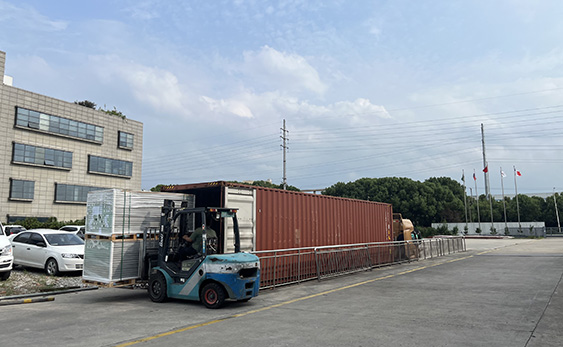
Project Case Study | Malaysia Modular Cleanroom Genetek Malaysia Cleanroom Project Case Study: Modular Envelope, Air Shower, H13 HEPA Terminals and DX AHU Integration A Malaysia cleanroom project where Wonclean coordinated the modular cleanroom envelope, personnel air showers, flush vision windows, H13 terminal HEPA outlets and direct-expansion AHU requirements into one buildable project package. modular cleanroom cleanroom wall system air shower room cleanroom doors For a cleanroom project outside the supplier's home market, the real challenge is not only producing panels or shipping equipment. The project must connect drawings, fabricated wall modules, doors, air showers, terminal filtration, AHU capacity and site installation logic before the cleanroom reaches the customer facility. The Genetek Malaysia project is a useful example of how Wonclean turns those separate workstreams into a coordinated cleanroom package. Project photo. Front view of the Genetek Malaysia modular cleanroom envelope during workshop assembly and inspection. Project Snapshot What Was Coordinated for the Malaysia Cleanroom The available project package includes structural drawings, HVAC drawings, electrical drawings, a 3D model file, AHU equipment information and manufacturing order data. That matters because a cleanroom envelope is only reliable when the wall panels, openings, duct connections, electrical routes and access equipment are checked as one system. Project facts confirmed from the reviewed Genetek Malaysia manufacturing order and project file structure. Item Confirmed project detail Why it matters Project location Malaysia Supports export coordination, packaging, drawing control and site installation planning. Cleanroom envelope Modular wall system with integrated doors, windows and service interfaces. Reduces uncontrolled field cutting and keeps openings aligned with the drawings. Vision windows 3 sets, 980 x 1000 mm, double-layer glass, 5 mm glass, flush frame with desiccant. Improves visibility while reducing ledges and moisture risk inside glazing assemblies. Personnel air showers One three-door unit and one two-door unit, each 1200 x 900 x 2300 mm, stainless steel, single-side blowing. Controls gowning-area entry and helps reduce loose particles carried by personnel flow. Terminal HEPA outlets 6 sets, H13 filter specification, 500 m3/h per outlet, 200 x 200 mm connection. Connects filtration capacity with HVAC layout and room air distribution planning. AHU system TICA direct-expansion AHU, 2500 m3/h, 650 Pa static pressure, 19-25 C temperature control range. Shows that air volume, static pressure and temperature control were handled as project-level requirements. Modular Envelope A Cleanroom Shell Built Around Interfaces, Not Only Panels In a modular cleanroom project, the wall panel surface is only one part of performance. The harder details are at the edges: door frames, observation windows, ceiling transitions, duct penetrations, electrical service ro...
Mehr lesen













































 Room JT30151, Building 4, Area B, No. 925 Yecheng Road, Industrial Zone, Shanghai,China
 Info@wonclean.com
Allen@wonclean.com
Joy@wonclean.com
Info@wonclean.com
Allen@wonclean.com
Joy@wonclean.com
 +86 13671979988(Allen)+86 15950938878(Joy)



 Online -Service

